
Investing in Laos 2026: Rapid Registration vs. The Licensing Long Game
2/4/20262 min read
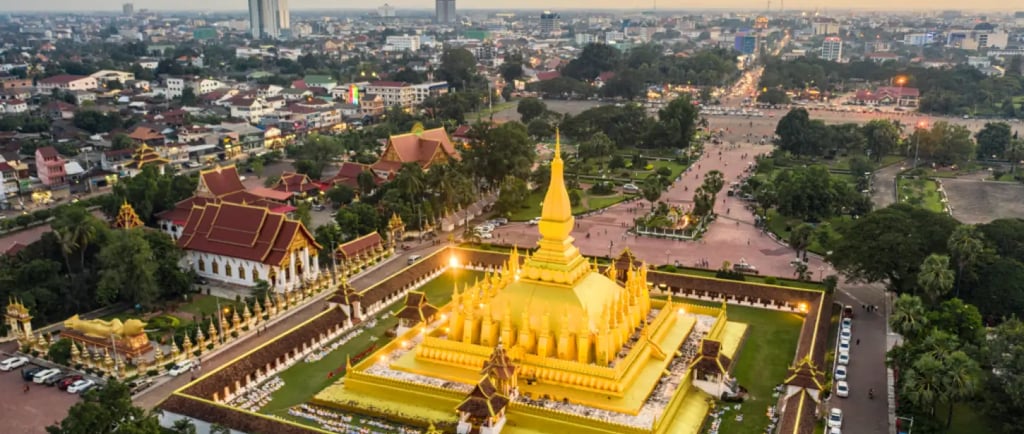
Photo Credit: DiscoverLaos
Laos is currently at a historic crossroads. As of 2026, the nation is transitioning out of its "Least Developed Country" status, fueled by a strategic shift from being "land-locked" to "land-linked." With the Laos-China Railway in full swing and a massive push toward becoming the "Battery of Southeast Asia," the opportunities for foreign investors are immense—but so is the red tape.
For those looking to enter this frontier market, understanding the discrepancy between "getting a foot in the door" and "actually starting work" is critical.
The Opportunities: Where to Look
The Lao government has prioritized several key sectors for foreign direct investment (FDI), offering various incentives for projects that align with their National Socio-Economic Development Plan:
Green Energy & Hydropower: With over 100 dams and growing wind and solar projects, Laos is a regional leader in renewable energy exports.
Modern Agriculture: There is a high demand for climate-resilient agrifood systems, organic farming, and processing facilities to add value to exports like coffee, cassava, and livestock.
Logistics & Infrastructure: The "land-link" strategy has opened doors for dry ports, warehouses, and transport services connecting China to ASEAN.
Digital Economy: The development of the Laos Digital Park and technical vocational training are creating a nascent but hungry tech sector.
The Reality Check: The Licensing Lag
The biggest hurdle for investors isn't the desire for capital—it’s the administrative bottleneck. On paper, Laos has made strides in simplifying business entry, but the reality on the ground remains a multi-layered process.
1. The Quick Win: Enterprise Registration
Obtaining your Enterprise Registration Certificate (ERC) from the Ministry of Industry and Commerce is now impressively fast. In most cases, this can be completed in approximately one week. This certificate officially "births" your company as a legal entity.
2. The Long Haul: Business Operation Licenses
The ERC is only the first step. To actually trade or provide services, you need a Business Operation License from the relevant "line-ministry" (e.g., the Ministry of Public Work and Transportation, the Ministry of Agriculture and Environment).
Standard Sectors: Expect this to take anywhere from 6 to 12 months. These ministries often require detailed feasibility studies, environmental impact assessments, and multiple rounds of physical inspections.
The Financial Sector: For those entering banking, microfinance, or insurance, the scrutiny is even more intense. Due to the sensitivity of the sector and strict AML (Anti-Money Laundering) regulations, obtaining a license can take up to two years.
Why Legal Counsel is Essential
In Laos, the law is often applied inconsistently, and "standard" procedures can change without prior notice. Navigating these opaque bureaucracies requires more than just a translated handbook; it requires local expertise and a strategic approach to compliance.
Professional legal counsel ensures that your documentation is not only accurate in the Lao language but also follows the specific "unwritten" expectations of provincial and national authorities.
Take the Next Step
The potential in Laos is significant, but patience and precision are your best assets. If you are ready to explore the market or are currently facing delays in your licensing process, expert help is available.
Investors can contact Grandeur Law & Partners for specialized legal guidance and local support to navigate the Lao regulatory landscape efficiently.